
Describe your starting point without judging it
Fine hair and short hair describe different things. Fine refers to the individual strands; shorter refers to length. Density, layers and the way your hair usually behaves add more information. Instead of beginning an enquiry with an apology about your hair, describe those practical details and explain what you would like to achieve.
Recent photographs can help start the conversation, especially views that show the shortest layers and the length at the back. Share any haircut or colour plans too. An idea that suits your current shape may need to be reviewed after a significant change.
Choose inspiration that answers useful questions
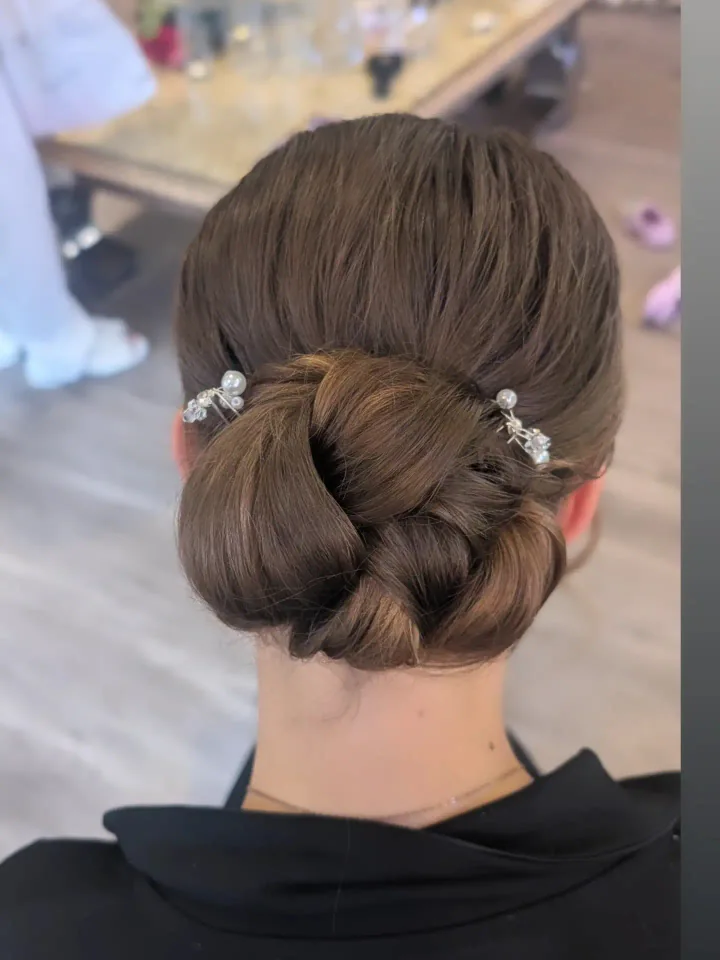
Look for examples close to your own length and visible fullness. Notice the front and sides as carefully as the back: the parting, the outline around the face and the placement of an accessory might be the details you love most. A photograph with much longer hair can still offer inspiration, but it is a different starting point.
Ask what creates the shape you see. Some reference images involve preparation, padding, added hair or arrangements that are difficult to identify from a photograph. Understanding that context helps you compare options without treating a heavily constructed style as a simple expectation.
Prioritise the effect, then explore the technique
You might want a clean neckline, soft movement, a more defined shape or hair kept away from your face. Explain that result before deciding you must have one particular bun or braid. Your stylist can then discuss whether a related shape or a different arrangement would better suit the available length.
Ask which parts of the plan can be achieved with your own hair and what alternatives would involve. If any additional pieces or products are discussed, clarify suitability, preparation, cost and removal before deciding. Ask for a clear plan and total price rather than assuming additional pieces or separate appointments are included in a styling booking.
Give the trial clear jobs to do
A trial can explore the shape from several angles, how an accessory sits and how comfortable the arrangement feels. Bring the pieces you plan to use and explain whether you prefer a softer or more controlled finish. Check how the style looks when you turn your head and in ordinary photographs.
Ask for preparation instructions tailored to the chosen approach. Avoid adding unfamiliar products or changing your routine on the wedding morning without checking first. If the trial reveals that a different reference would be more useful, record that decision clearly rather than continuing to compare the result with the original picture.
Keep expectations specific and personal
The most useful outcome is an agreed plan: what the stylist proposes, what preparation is needed and which details remain open. Avoid judging success by whether your hair appears identical to someone else's. Lighting, colour, camera angle and a different starting length all affect the comparison.
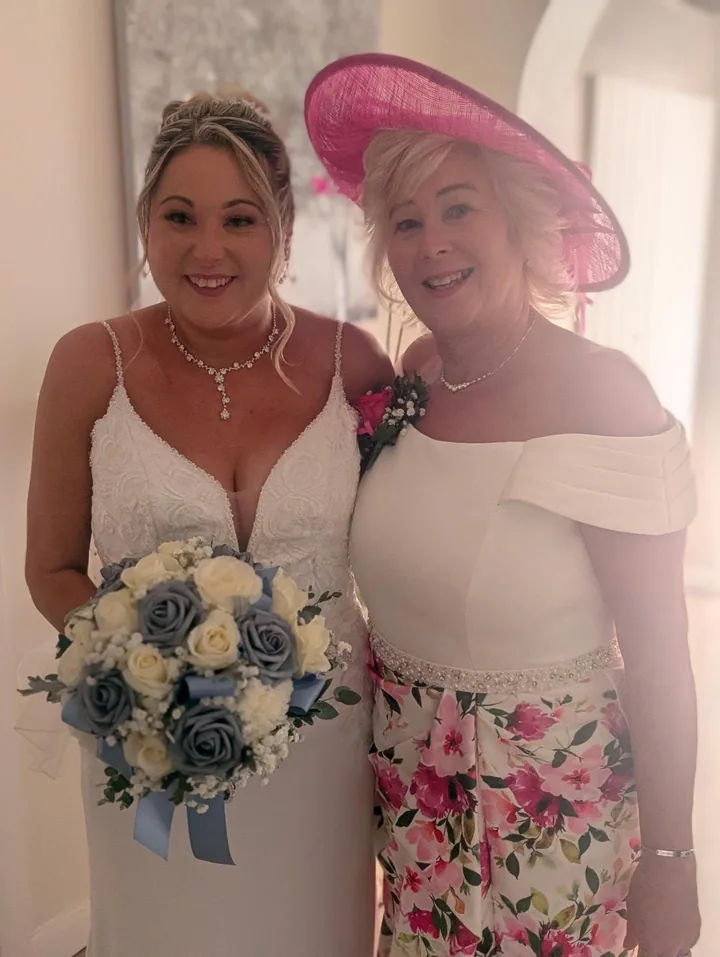
Hair Up Solutions' bridal portfolio includes varied textured and fuller-looking arrangements, which can provide discussion points. A portfolio image is an example, rather than a promise for every hair type. Take your own priorities to the consultation and let the practical conversation shape a look you feel comfortable choosing.
Your takeaway checklist.
Tick off the details as you get ready.

Let’s make it personal.
Take the next step with Becky. Ask about your hair, your appointment or the detail you’re still deciding.
Prefer to call? 07522 960746Build my bridal packageBusiness reference: Hair Up Solutions bridal portfolio. General planning guidance is original website editorial, rather than a transcript of a video or personalised advice.