Begin with permission to be a beginner
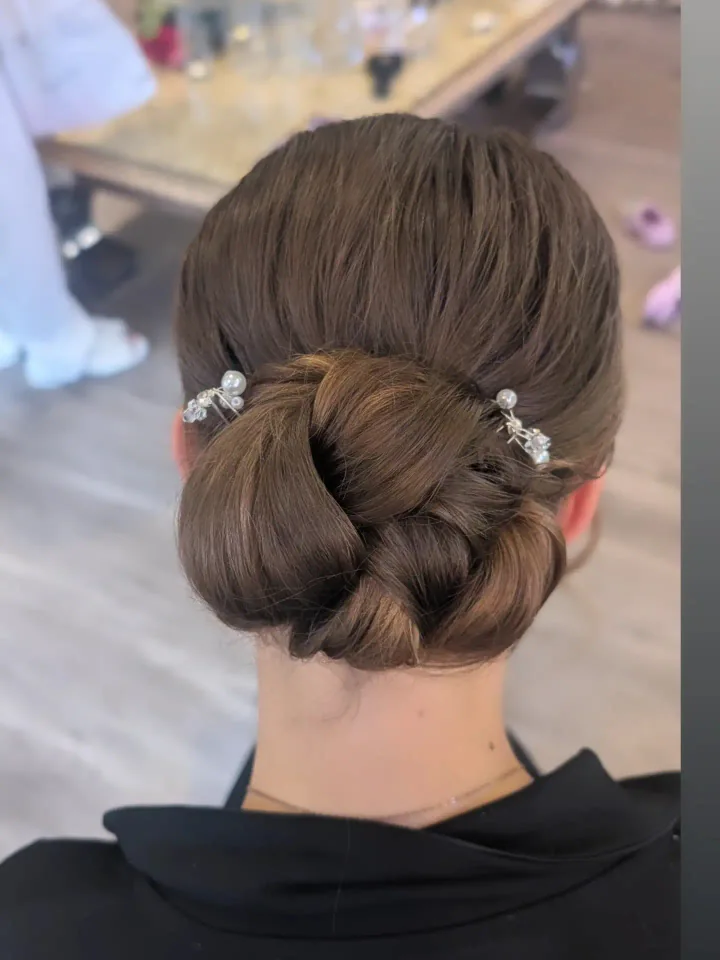
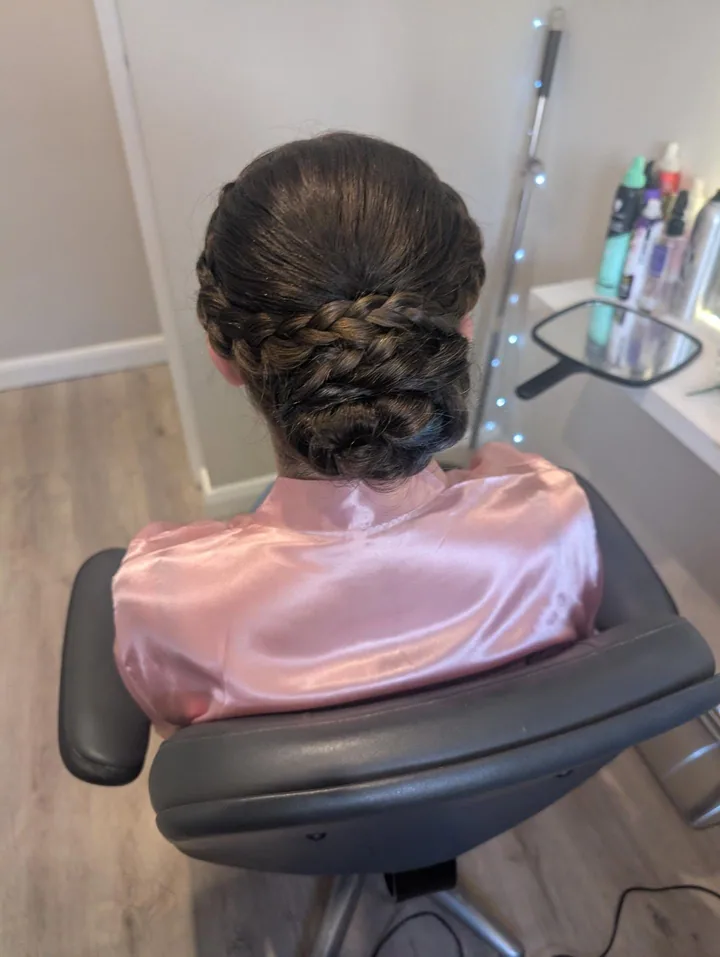
In a public conversation beneath a Hair Up Solutions reel, the business responded to a learner by explaining that Becky learned to plait at 25 and inviting them to a workshop. It is a useful reminder that a skill can be learned later, even when the finished result looks effortless in someone else's hands.
You do not need to measure your first attempts against a polished video. Choose a small, repeatable goal that helps you understand what your hands are doing. A recognisable sequence is a more useful first target than a perfect finished hairstyle, particularly while the movements are still unfamiliar.
Choose one place to practise
Working on yourself and working on a practice head are different tasks. On yourself, the viewing angle and position of your arms become part of the challenge. A practice head lets you focus on the sections in front of you. Choose one setup for a few sessions so you are not changing several difficulties at once.
Arrange a comfortable seat, enough light and somewhere to put the items you are using. If a mirror makes the sequence more confusing, notice that and discuss the setup with an instructor. The aim is a position you can repeat comfortably, not a particular way of looking accomplished.
Separate the sequence from the finished hairstyle
Give each short session one job. You might practise keeping the sections distinct, remembering the order of movements or stopping without losing your place. A small amount of controlled repetition can tell you more than repeatedly starting an entire hairstyle and abandoning it halfway through.
When you use a demonstration, pause at the hand change you find difficult and describe it in your own words. If you cannot tell which section is moving, that is a specific question to take to a teacher. Avoid adding a more complicated pattern simply because a basic sequence is frustrating that day.
Notice progress in smaller details
A finished photograph is only one way to judge an attempt. You may have kept your place for longer, made the sections more even or understood why a section slipped. Write down one thing that became clearer and one question for next time. That gives the next practice session a starting point.
Stop and reset if the task becomes uncomfortable or the hair begins to tangle. There is little value in pushing through an awkward position just to finish. Keep practice manageable and return with a clear question, rather than turning a single difficult attempt into a verdict on your ability.
Know when hands-on help would be useful
If you repeatedly lose the same movement, an instructor can see the point where it happens. Explain that moment when enquiring: perhaps transferring a section between hands or keeping the pattern consistent. A precise description gives the session a useful focus and makes it easier to ask for a demonstration at the right pace.
The Hair Up Solutions menu lists own-hair and practice-head workshops, a £55 one-to-one plaiting session and an advanced option covering further patterns. Choose according to your current goal, and check the live menu for availability and details. Confidence can grow from understanding one small step well enough to repeat it.
Your takeaway checklist.
Tick off the details as you get ready.

Let’s make it personal.
Take the next step with Becky. Ask about your hair, your appointment or the detail you’re still deciding.
Prefer to call? 07522 960746Find my workshopBusiness reference: Hair Up Solutions workshop conversation. General planning guidance is original website editorial, rather than a transcript of a video or personalised advice.